
Alright, let’s talk AI in gaming. Now, I know what you’re thinking—“AI? Isn’t that just the enemy you kill in every game?” Well, my friend, AI in gaming has been leveling up at a pace that’s got everyone talking. Whether you’re chasing that smooth multiplayer experience, grinding out esports victories, modding custom servers, or just trying to make sure your enemies aren’t as dumb as a bag of bricks, AI is stepping its game up. So let’s break it down, no fluff, just the good stuff.
Why Should You Care About AI in Games?
So why should you care about AI? Isn’t it just about making sure the bad guys don’t stand there and wait to get shot? Well, yeah, that’s part of it. But AI in games is slowly creeping into some wild territory—things like smarter NPCs, adaptive difficulty, and even personalized experiences. The better the AI, the more fun, challenging, and immersive your gaming experience gets. But if you’re the kind of player who’s hunting for buttery-smooth gameplay, zero-lag action, or an esports victory where every move counts—then you better start paying attention to how AI is shaping the future of games.
The Evolution of AI: From Dumber Enemies to Smarter Competitors
1. The Early Days: Mindless Drones
Back in the day, AI in games was stupid. I mean, we’re talking about the kind of enemies that just stood in place, waiting to get shot at. Think of those classic arcade games where enemies move in predictable patterns and couldn’t even react if you snuck up behind them. They were nothing more than glorified mannequins with hitboxes.
But here’s the kicker—while AI was dumb, it worked for those games. That simplicity is why games like Pac-Man or Space Invaders were so addictive. But the real magic comes when you push AI to be something more. Fast forward a few decades, and now we’ve got some ridiculously smart AI running the show.
2. Modern AI: Adaptive and Intuitive
Okay, so AI isn’t just standing there anymore. Now, we’re dealing with AI that adapts to how you play. Take Assassin’s Creed or The Last of Us—games where enemies will remember your actions and react accordingly. You could be a sneaky assassin, hiding in the shadows, and AI enemies will start searching smarter, using flanking maneuvers and covering blind spots. It makes the whole experience way more engaging. They’ve learned to predict your next move. Like our articles? Read also about Blockchain in Gaming.
Key Advances:
- Dynamic difficulty adjustment: Games like Left 4 Dead 2 use an AI director that tailors the experience to your playstyle. If you’re breezing through the game, the AI throws tougher enemies at you. If you’re struggling, it’ll dial it back a bit.
- NPC intelligence: We’re not just talking about enemies anymore. Some games feature allies with advanced AI who can heal you, watch your back, or even take over specific tasks in combat. It’s like you’re not playing alone.
3. AI in Multiplayer: Making Teamplay Smarter
If you’re into competitive multiplayer games, AI is now part of the mix, and it’s pushing players to be sharper. Think about games like Overwatch or Call of Duty. Sure, you’re in an intense battle with real players, but AI is constantly there in the background—monitoring your game, adjusting matchmaking, and making sure you’re never up against a squad that’s too strong or too weak.
What This Means:
- Better matchmaking: AI is learning how to match players more effectively by analyzing player skills and behavior. No more getting stomped by a pro team while you’re still warming up.
- Improved bots: AI-powered bots can fill in when a player drops out mid-game. If you’ve ever had that moment in Rocket League where a teammate bailed, only for the AI to step in and play at a high level, you know how clutch that is.
4. AI in Esports: No More Lag, Only Zero-Lag Precision
When it comes to esports, lag is the enemy, and AI is doing everything in its power to eliminate it. But here’s the trick—it’s not just about reducing ping or frame drops. AI is making sure that network optimization is smarter, ensuring that matches stay fair, fast, and lag-free. AI is also helping matchmaking systems find the perfect matches, ensuring there’s always a challenge but no unfair advantages.
Key Features:
- Predictive AI: Some esports platforms now use AI to predict network performance and adjust in real time to prevent lag spikes. It’s basically like having a ghost in the machine making sure everything runs smooth.
- Clutch plays: AI also watches your gameplay habits and adapts to optimize the experience. If you’re pulling off sick combos or tactical maneuvers, AI can ensure you’re rewarded for it—through smoother gameplay, better resource allocation, and seamless interaction.
5. Modding AI: Crafting Smarter Custom Servers
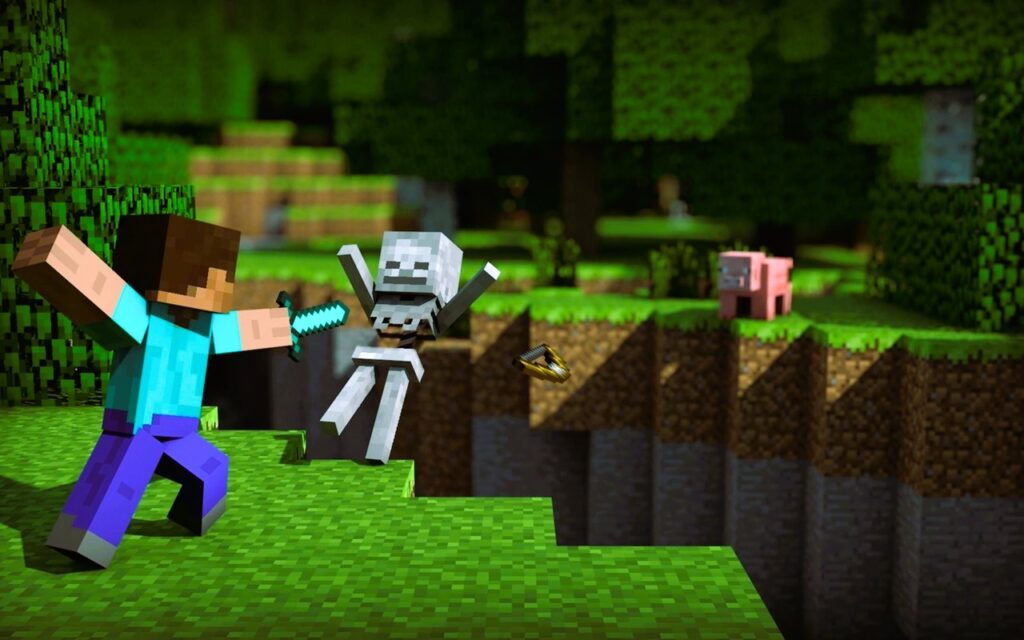
And then there are the modders—the ones who take AI into their own hands, tweaking and creating smarter NPCs, enemies, and even full-blown AI-driven campaigns. Imagine creating a whole custom world where the AI reacts to every action you take, making every playthrough unique. This is where things get crazy.
Popular Modding Examples:
- Skyrim AI Mods: Mods like SkyAI make NPCs act and react in much more realistic ways, sometimes even making entire factions respond to your actions. It’s a game-changer for anyone looking to dive deep into Skyrim’s world.
- Minecraft AI Mods: Some Minecraft modders are creating AI-driven creatures that make the game more unpredictable and alive. Imagine a world where every mob you encounter feels different because its behavior is being constantly shaped by your actions.
What’s Next for AI in Games?
Alright, here’s the wild part: AI isn’t done yet. What we’ve seen so far is just the tip of the iceberg. As AI gets more advanced, games are going to get smarter, more challenging, and way more personalized. AI is now being integrated into procedural generation systems, meaning the worlds you explore could be crafted dynamically based on how you play. And then there’s emotion AI, where games will adapt not just to your actions, but to your mood, your frustration levels, and your playstyle.
Here’s where AI is headed:
- Personalized gaming experiences: AI will be able to learn your gaming habits and craft an experience just for you, whether you’re looking for a challenge or just want to chill.
- More realistic NPCs: NPCs won’t just follow paths—they’ll have personalities, relationships with each other, and even agendas that change based on your interactions with them.
- Next-level multiplayer: Think of an AI that can assess how well you and your teammates work together, dynamically creating the perfect conditions for a competitive or cooperative experience.
The Bottom Line: AI is Changing the Game
So here’s the takeaway, folks: AI in gaming isn’t just about making enemies smarter or matchmaking tighter. It’s about creating a living, breathing world that reacts to you and keeps things fresh. Whether you’re in single-player, multiplayer, or esports, AI is playing a massive role in making gaming smarter, faster, and more engaging. And this is just the start. The future? It’s going to be wild.
Wanna get a deeper dive into how AI is shaping industries across the board? Check out this standardization article on AI for more insights.
Catch you on the next level, my friend.