Alright, so you wanna hit the pro scene in CS2, Valorant, or Dota 2? No fluff, no sugarcoating—just real talk. Whether you’re climbing the ranks solo, grinding through every match, or dreaming about being the next esports legend, I’ve got you covered. Grab your headset, put down the chips, and let’s break this down.
Step 1: Master Your Mechanics—Don’t Skip the Basics
Before you even think about strutting your stuff in a tournament, let’s talk about the absolute foundation. Mastery over the core mechanics of your game is non-negotiable. In other words: no one’s gonna carry you if you don’t know how to aim, shoot, and move.
CS2 Tips:
- Crosshair Placement: Keep it at head level. Simple, but you’ll be surprised how many players still forget this.
- Recoil Control: Know your guns. It’s all about managing recoil, especially with AK-47 and M4A1-S.
Valorant Tips:
- Agent Abilities: Every ability has a time and place. Learn how to use them to set up your team, not just as a panic button.
- Shooting Through Smokes: It’s a pro move. Learn it.
Dota 2 Tips:
- Farming: Last-hitting is king. If you’re struggling here, forget about carrying the team.
- Map Awareness: Keep an eye on your minimap and know where the enemy is. Your team will love you for it.
Step 2: Focus on One Game, Don’t Spread Yourself Too Thin
You’re probably thinking, “But I love all these games! Why not just try to be good at all of them?” Look, it’s tempting, but if you’re serious about hitting the pro scene, you need to specialize. No, really.
Pick one and go deep. The best pros in CS2, Valorant, and Dota 2 didn’t get there by dabbling. They chose their game and grinded every day. Read our article about the Future of Virtual Reality in Games.
- Pro CS2 players live and breathe tactical gameplay.
- Valorant pros are all about perfecting shooting mechanics while managing abilities.
- Dota 2 pros need to have insane knowledge of heroes, items, and game flow.
Step 3: Find Your Role and Own It
I get it—you want to be the carry, but sometimes the best thing you can do is own your role and make it unbeatable. Learn to be a master at one thing and leave the rest to the team.
CS2 Roles:
- AWPer: You better be landing those headshots. Simple as that.
- Entry Fragger: Lead the charge, but don’t rush in like a noob.
Valorant Roles:
- Duelists: The ones that get in there and frag hard.
- Controllers: Lock down key areas of the map and help your team breathe.
Dota 2 Roles:
- Carry: You’re the star. It’s on you to close out the game.
- Support: The backbone. Control vision, heal, and set up your team.
Step 4: Train Like It’s Your Job
You’ve gotta put in the hours. I don’t care if you have a full-time job or school—if you want to be a pro, this is your second full-time gig. Here’s the thing: pros don’t just play games. They train, just like athletes.
Tips:
- Warm-up: Start with aim trainers. You think you’re too good for these? Nah. Even pros warm up.
- VOD Review: Watch your games, study what went right and what went wrong. Every mistake is an opportunity to improve.
- Custom Games: Practice your mechanics. Work on your aim, reaction times, and team communication.
Step 5: Communicate Like a Pro
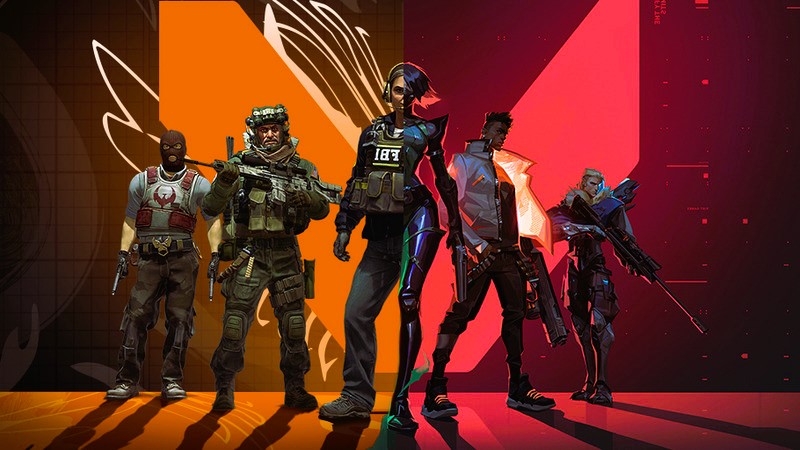
Get it through your head: You need to talk with your team. You think being silent is a good idea? Not in these games. You need to be clear, concise, and calm under pressure.
- CS2: Call out enemy positions, utility use, and help your team with strategies.
- Valorant: The ping system is your friend, but don’t forget voice communication.
- Dota 2: Shotcalling is crucial. Be the one directing the flow of the game.
Don’t forget to stay positive, even when things go south. People want to play with those who keep their heads cool.
Step 6: Get into Tournaments and Compete
If you’ve made it this far, you’re probably itching for some competition. It’s time to get into the tournament scene, even if it’s just local at first. Getting some LAN experience is essential for your growth.
- Small Competitions: Start with community-run events. They give you exposure and the chance to sharpen your skills.
- Esports Leagues: As you level up, get into more serious leagues. Here’s where the real networking happens, and trust me, connections matter.
Step 7: Build a Personal Brand
This isn’t just about being a player. It’s about being noticed. Start streaming, making content, and showing off your game sense and personality. Get people to see you not only as a player but as a brand.
- Stream on Twitch or YouTube: Start building an audience. If you’re good enough, people will tune in.
- Social Media: Get active on Twitter, Instagram, and even TikTok. People want to see the face behind the screen.
And always remember, the esports scene isn’t just about talent. It’s about visibility.
Step 8: Stay Committed and Evolve
The journey is long. There will be tough times. There will be losses. But if you stay committed, evolve, and never stop improving, you’ll eventually see results. Success won’t come overnight, but it will come if you keep grinding.
In Summary
Here’s the quick rundown, my friend:
| Step | What to Do |
|---|---|
| Master Your Mechanics | Practice, practice, practice. Learn the game inside out. |
| Focus on One Game | Pick your game and own it. |
| Own Your Role | Be the best at what you do. |
| Train Like a Pro | Put in the hours. It’s all about dedication. |
| Communicate | Talk, don’t be shy. Communication is key. |
| Get into Tournaments | Play competitively. Start small and work your way up. |
| Build Your Brand | Stream, make content, and get noticed. |
| Stay Committed | Keep grinding, stay humble, and never stop evolving. |
If you’ve got the skills, the drive, and the heart for it, there’s no reason you can’t make it to the top in CS2, Valorant, or Dota 2.
Don’t just play the game—master it.
And for some extra knowledge and tips on game development, check out Wikipedia’s guide on esports.