Alright, grab a seat, ‘cause we’re diving deep into the wild world of NFTs and blockchain in gaming. I know, I know—there’s been a ton of hype about these bad boys, and most of it sounds like techno-babble, but trust me, there’s some serious stuff going on here. If you’re a gamer who wants to stay ahead of the curve, a dev looking to test new projects, or an esports squad who wants to leverage cutting-edge tech, you gotta understand how these technologies are transforming gaming.
But don’t worry, we’re keeping it real. No jargon overload—just the straight-up, no-fluff breakdown of what NFTs and blockchain mean for you in the gaming world.
What the Heck is Blockchain and NFTs in Gaming?
Let’s start with the basics: Blockchain is the tech behind cryptocurrencies like Bitcoin or Ethereum, but it’s so much more than just digital money. It’s a decentralized ledger that tracks everything without needing a middleman. In gaming, this means a tamper-proof way of owning, trading, and tracking digital assets.
And NFTs? They stand for Non-Fungible Tokens. They’re digital collectibles, items, or pieces of content that are verified and stored on the blockchain. Think of them like one-of-a-kind loot drops in a game—except, instead of just being in the game, they’re tied to your wallet, and you can buy, sell, and trade them with other players.
Why Should Gamers Care About NFTs and Blockchain?
Let’s be honest: most of us are here for the gameplay. But here’s the kicker: blockchain and NFTs aren’t just some buzzwords. They’re opening up brand new ways to interact with games. Whether it’s owning unique in-game assets (skins, items, avatars) or getting paid for playing in play-to-earn models, the digital economy is changing, and if you’re not paying attention, you might miss out.
Opportunities: Why NFTs and Blockchain are the Future of Gaming
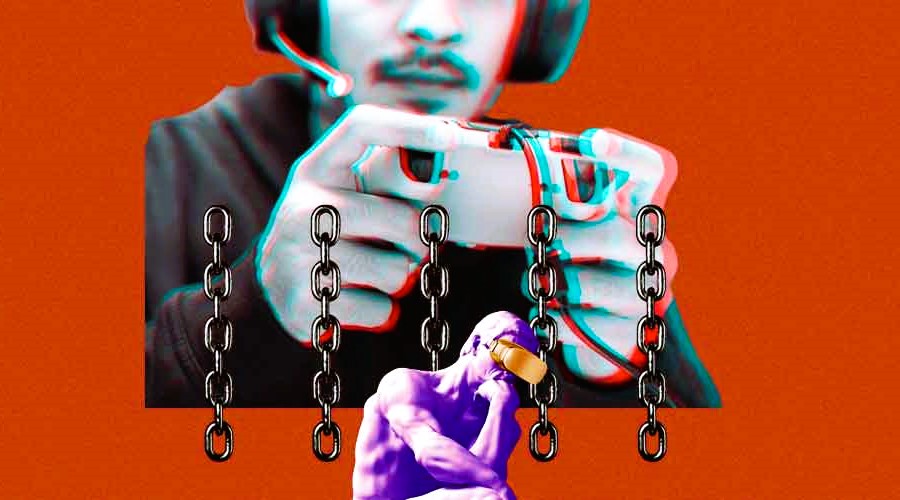
Alright, let’s break down the opportunities you could grab onto if you hop on the blockchain train.
1. True Ownership of Digital Items
Ever grinded for hours for that perfect sword or rare skin in a game, only to have it lost if the game shuts down? Yeah, it’s a real buzzkill. With blockchain, you truly own your items. You buy, sell, or trade them just like physical collectibles. No more “renting” digital content. Your loot is yours for life (or at least until you decide to sell it). Read about how to sell your game to a publisher: interactive pitches for game developers.
- Games Like Axie Infinity are showing the way. Players earn in-game currency that’s tied to real-world value, all thanks to blockchain tech.
2. Play-to-Earn and New Revenue Streams
Imagine this: you’re grinding a game for hours, stacking up NFTs, and suddenly—you’re earning. With blockchain, play-to-earn games allow you to monetize your time and skill. You can turn your in-game efforts into cold, hard cash by selling NFTs or tokens.
- Take Gods Unchained—a card game where players own cards as NFTs and can sell them. Your time, your effort, your winnings—they have real-world value.
3. Interoperability Between Games
Here’s where things get really exciting. With blockchain, you could eventually take your NFT assets from one game to another. You know how in some games, you get exclusive gear or skins but can’t use them anywhere else? With NFTs, that could change. You could have a digital wardrobe or a weapon collection that transfers between games.
- Decentraland is experimenting with interoperable NFTs, where you can use digital assets like avatars and skins across various platforms. This could be the future of a connected gaming universe where your items follow you everywhere.
4. Fairer, Transparent Economies
Blockchain tech offers full transparency, meaning everything from in-game economies to transactions is open for review. No more shady microtransactions or pay-to-win schemes. Players will know where their money is going, and developers will have better control over what’s being traded, how it’s being priced, and who owns it.
- Developers can create games with transparent economies where you know exactly how much that sword or skin is worth and who’s controlling the flow of assets.
Risks: Why You Might Want to Pump the Brakes Before Diving In
Yeah, blockchain and NFTs sound great, but before you start buying up in-game assets like they’re going out of style, there are some risks to consider. Let’s get into it.
1. Volatility of NFTs and Crypto
Here’s the thing with NFTs and crypto: they’re not stable. Just like the stock market, the value of an NFT can go up or down in the blink of an eye. You could buy a super rare NFT today and see it tank in value tomorrow.
- The “Flipping” Trend is popular now, but it’s risky. If you’re buying into NFTs as an investment, be prepared for the rollercoaster ride. The prices are often inflated, and you might not get back what you put in.
2. Environmental Impact
This is a big one that a lot of people are glossing over. Blockchain (especially proof-of-work) uses a lot of energy. It’s like an endless cycle of electricity-burning machines validating transactions. And while some games are already switching to more eco-friendly blockchain systems (like Ethereum’s shift to proof-of-stake), it’s still something worth considering if you’re concerned about the environment.
- Some games have already switched to greener alternatives, but the impact of blockchain tech on the environment is still a topic of debate.
3. Lack of Regulation
Let’s face it—there’s no universal law protecting you in the world of NFTs and blockchain. A lot of these games, especially indie ones, are still in the early stages, and the legal framework isn’t fully built. Scams are real, and if you’re not careful, you could lose your money or NFTs in a heartbeat.
- Platforms like OpenSea have had issues with fraudulent NFTs being sold. Make sure you’re buying from trusted sources and platforms.
4. The Risk of Oversaturation
NFTs are cool right now, but just like everything else that blows up in the digital world, there’s a risk of oversaturation. With so many NFTs popping up everywhere, the market could become flooded, making it harder to find the valuable stuff. What happens when every player’s avatar is an NFT? It loses its special factor, right?
How Can You Get Involved?
Alright, now you’re probably wondering, “How do I dive into this wild new world?” Well, here’s a quick rundown:
- For Gamers: If you’re a player, start with games that already integrate blockchain and NFTs. Axie Infinity, Gods Unchained, and Decentraland are just a few examples. Look for play-to-earn models where you can earn real-world value while having fun.
- For Developers: If you’re a dev, look into integrating blockchain into your game’s economy. You can build your own NFT marketplace, create in-game tokenomics, or even add support for cross-game NFT assets.
- For Investors/Tech Geeks: If you’re just looking to get involved with NFTs and blockchain tech from an investment perspective, do your research. Check out marketplaces like OpenSea and always verify the authenticity of the NFTs you’re buying.
Look, NFTs and blockchain in gaming have some serious potential to change the way we play, create, and even make money. But like anything new, it comes with its risks. Whether you’re just gaming for fun, creating your next big project, or looking to cash in on the digital economy, you need to stay sharp. Do your homework, avoid scams, and don’t go all-in on anything that sounds too good to be true.
Want to dive deeper into NFTs and blockchain? Check out this Wikipedia article to get a more detailed look.
Game on, and be smart out there!